Ways to make extra money: an honest look at what actually pays
Most "extra money" advice oversells. Here's what each option really pays, how fast, and which one fits the hours or assets you already have.

The most reliable ways to make extra money are the ones that fit the time, skills, or assets you already have — selling things you own, trading a few spare hours for same-day-pay gig work, or putting a vehicle that's already in your driveway to work. About 27% of U.S. adults had a side hustle in 2025, earning $885 a month on average. But the average hides the real story: the median was just $200 a month, which tells you most people earn modestly and a smaller group earns a lot more. This guide lays out the honest options by how much effort they take, how fast they pay, and what you actually need to start.
One thing up front: anything promising big money for almost no work is a scam. Real extra income is variable, it scales with the hours and assets you put in, and the best options pay quickly — often the same day — so you see the money while the effort is still fresh.
Quick reference: extra-money options compared
Here's the short version before the detail. Pay figures are realistic ranges before expenses like gas, fees, and the cut a platform keeps.
| Way to earn | How fast it pays | Realistic pay | What you need |
|---|---|---|---|
| Sell things you already own | Same day, cash in hand | Whatever it sells for | Items + a way to deliver them |
| Moving and hauling gigs (Lugg) | Same day | Higher per hour than delivery | Muscle and qualifying truck or van + equipment or a phone |
| Same-day-pay delivery (DoorDash, Instacart) | Same day, small cash-out fee | ~$10–25/hr | Car or bike, a phone |
| Rideshare (Uber, Lyft) | Same day via instant pay | ~$15–25/hr | Qualifying car, a phone |
| Skill and service work (TaskRabbit, Rover, tutoring) | 1–7 days | ~$15–50/hr | A usable skill, a profile, patience for the first booking |
What "extra money" realistically looks like
Extra money is income on top of your main source — and being clear-eyed about the numbers is the difference between a plan that sticks and one you quit in three weeks. The gap between the average side income ($885 a month) and the median ($200) is the whole point. A handful of people who treat it seriously, work consistently, or own an income-producing asset pull the average way up. Most people who dabble for a few hours land closer to the median.
If you want $200 a month, almost any option below gets you there with light effort. If you want $800, $1,000, or more, you're looking at consistent hours, a skill that commands a higher rate, or an asset like a truck that earns more per job than your time alone could. Pick the option that matches the number you actually want, not the one with the flashiest headline.
Sell things you already own
The fastest extra money is almost always sitting in your home right now. Facebook Marketplace, OfferUp, and Craigslist all run on local cash pickup, so there's no waiting on a payout — the buyer hands you money when they take the item.
Furniture and large items clear the fastest because buyers want them and you want the space back. A couch, a dresser, a dining set, a treadmill, an old fridge — these sell quickly when they're priced to move and photographed in good light. The listing is rarely the hard part. The handoff is: plenty of buyers don't own a truck, and plenty of sellers can't deliver a sectional across town.
That gap is exactly where on-demand delivery comes in. As a seller, offering delivery closes more sales; as a buyer, you can book movers and a truck to bring a heavy find home the same day. It's also one of the most common jobs that comes through a moving platform — people moving a Marketplace find from one side of the city to the other.
Put a vehicle you already own to work
If you own a qualifying pickup, cargo van, or box truck, the single biggest lever for extra income is putting that vehicle to work instead of letting it sit. The math is simple: a truck payment, insurance, and gas are fixed costs whether the truck moves or not. A few weekend slots turn that idle asset into income, which is why a lot of owner-operators describe it as the truck finally paying for itself.
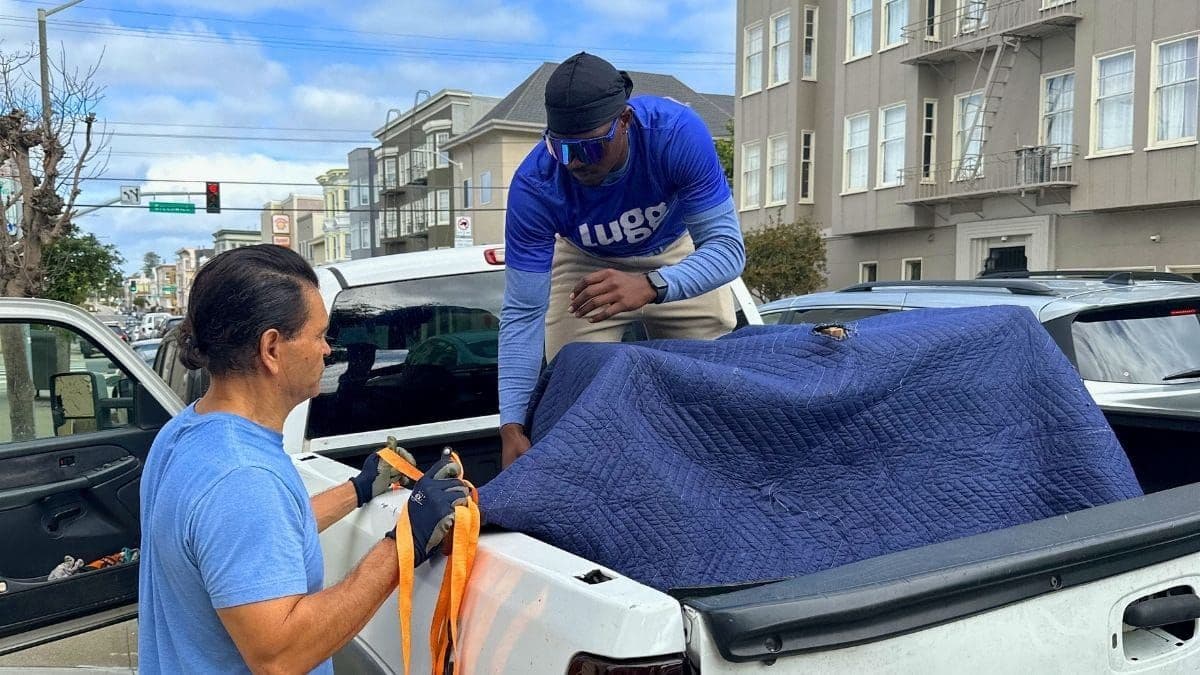
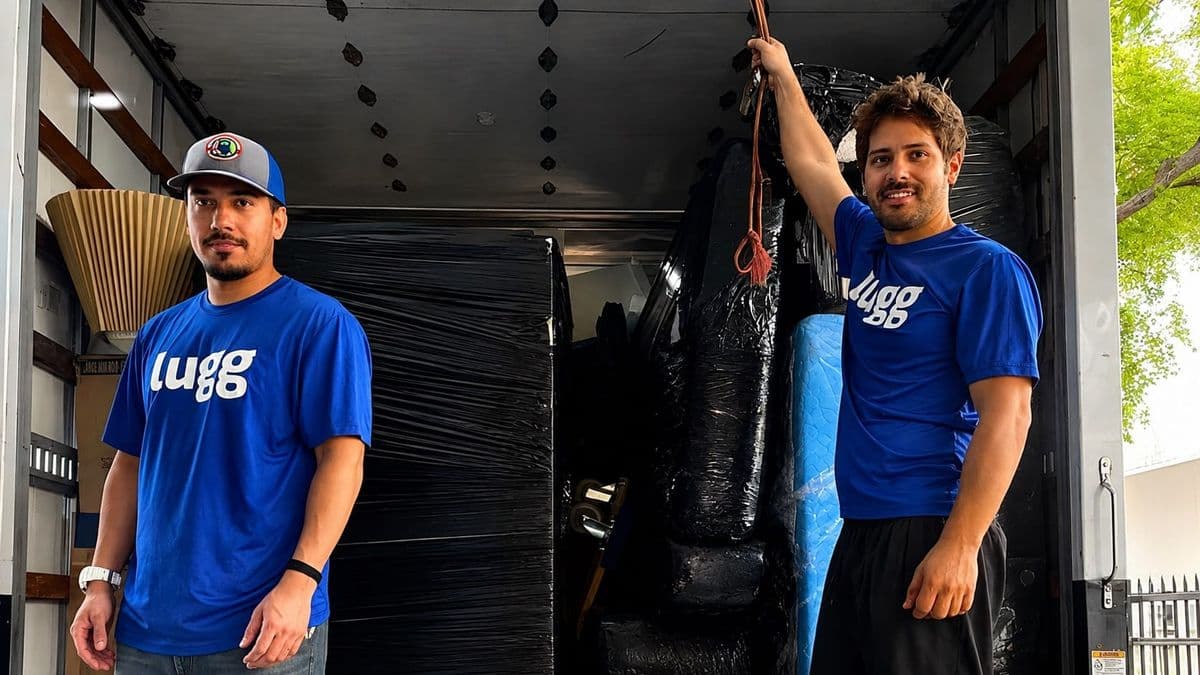
Moving and hauling gigs like Lugg pay more per hour than rideshare or food delivery because the work is heavier and the vehicles are bigger. On Lugg, drivers earn a percentage of the customer's fare on every move they complete, and that fare is built from a base fare and per-minute labor, so more active work means more earnings. Drivers take a larger share of each fare than helpers do, since they're providing the vehicle and equipment. Tips are paid out per move, directly to the Luggers, and in the summer moving rush top earners clear $1,000-plus a month in tips alone.
The work is slot-based: 4, 5, or 8-hour windows you claim ahead of time when you want them. There's no weekly minimum and no fixed schedule; the flexibility is in choosing which weeks and which slots you work. If you want the full breakdown of what different vehicles bring in, we covered it in making money with your truck, and the day-to-day mechanics live in the guide to driving for Lugg. The Lugger sign-up takes about two minutes.
Trade spare hours for same-day pay
If you don't own an income-producing asset, the most dependable way to earn extra money on a repeatable basis is to trade spare hours for same-day-pay gig work. The honest trade-off across all of these: pay is modest per hour, and your expenses — gas, wear, the platform's cut — come out of the top.
The main categories break down like this:
- Food and grocery delivery — DoorDash, Uber Eats, Grubhub, Instacart. Low bar to start, flexible hours, same-day cash-out for a small fee. Pay typically lands around $10–25 an hour before gas and car wear.
- Rideshare — Uber and Lyft. Higher hourly potential than food delivery in busy markets, instant pay a few times a day, but more miles and wear on your car.
- Moving and hauling — Lugg. The highest per-hour option here if you have a qualifying vehicle, because the jobs are bigger and pay accordingly.
No vehicle? You can still earn with just a phone
You don't need a car to start. On the moving side, that means working as a helper rather than a driver. A helper joins a driver as a 2-Lugger crew, meets at the start of the slot, and works the jobs that come in during that window — no vehicle, no equipment to buy, just a phone and the ability to lift safely. The bar to start is far lower than the driver side, which makes it the easiest entry point if you're new to this kind of work. The full walkthrough is in how to become a Lugg helper and earn with your smartphone.
Off the moving side, phone-only options include online task and survey platforms, website testing on sites like UserTesting, and reselling things you source cheap. None of these will replace a paycheck, but several pay out within a day once you hit a low minimum — useful for filling in the gaps between bigger earners.
Skill and service work for a higher rate
If you have a usable skill, service work pays a higher hourly rate than gig delivery — it just takes a little longer to get going. TaskRabbit handles handyman work and errands. Rover and Wag cover dog walking and pet sitting. Freelance marketplaces take anything you can do at a keyboard — writing, design, bookkeeping, tutoring. Rates run from roughly $15 an hour for basic errands up to $50-plus for skilled trades or specialized freelance work.
The catch is the first booking. You're usually building a profile and waiting for someone to choose you, so it's "fast" on the second job, not the first. The payoff is that a skill compounds: repeat clients, referrals, and a rate you can raise once you have reviews.
How to pick the option that fits your week
The right choice comes down to what you already have. If you need cash today, sell something — it's the only option that puts money in your hand this afternoon. If you have free weekends and a qualifying truck or van, moving gigs are the highest per-hour option and the asset does a lot of the earning for you. If you have spare hours but no special vehicle, same-day-pay delivery gets you going within a day or two. And if you have a marketable skill, service and freelance work pays the most per hour once you're established.
It's worth knowing that nearly 3 in 5 side hustlers say the extra income is essential to making ends meet, so most people doing this aren't chasing a dream, they're covering real costs. As a gig worker you're a 1099 independent contractor, not an employee, which means you track your own miles and set aside money for taxes — the IRS treats this as self-employment earnings you report yourself. It's not complicated, but it's worth knowing before the first payout lands.
If the option that fits your week is putting a truck or a free weekend to work, the sign-up takes about two minutes. If you've got a qualifying vehicle — or just a phone and some Saturdays — you can sign up at lugg.com/become-a-lugger and the team typically activates you within the week, in time for summer, the busiest moving season of the year.
Galina Hyland
Galina leads operations at Lugg, writing about logistics, supply, and what it takes to power same-day moving at scale.
Subscribe to the Lugg blog
Get the latest moving tips, guides, and Lugg news delivered to your inbox.
Read more about Lugg moves
Holiday jobs near me: flexible work through January
Flexible jobs: work the hours you actually have
Weekend jobs near me: how to earn on Saturday and Sunday only
Jobs for college students that work around class
