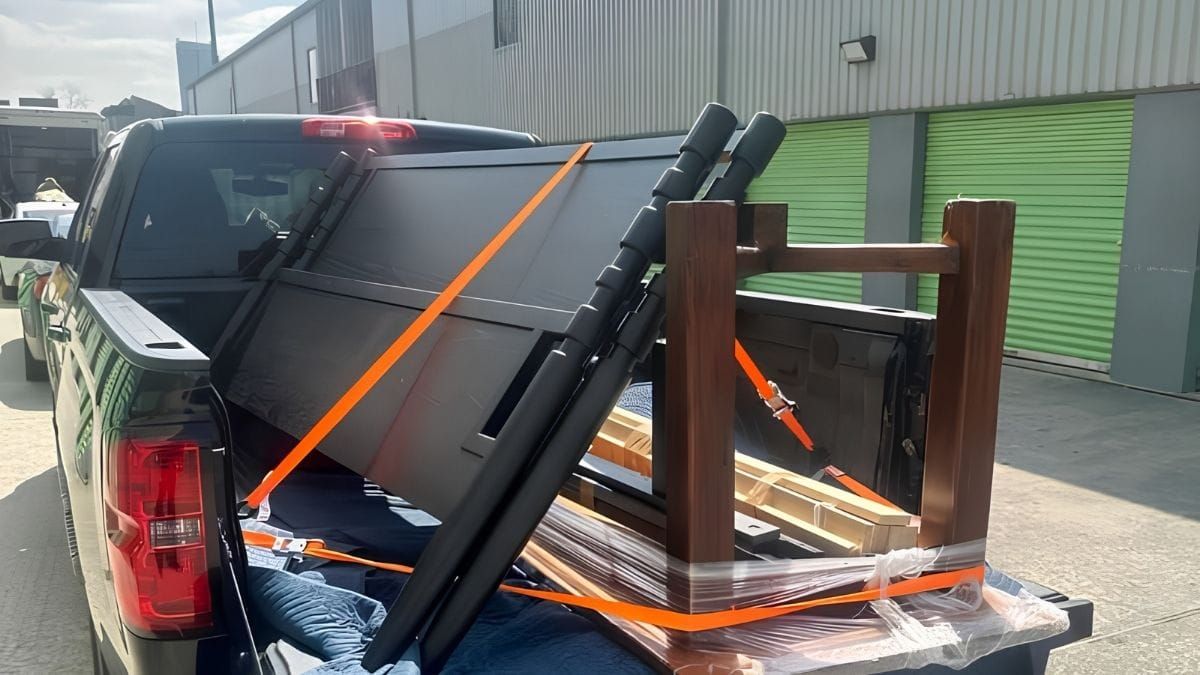
Subletting your apartment? How to store your stuff temporarily
A stranger's about to live in your apartment. Here's what to lock away in short-term storage, what's fine to leave, and how to move it both ways.

Short-term storage is the right call when you're subletting your apartment for anything from a few weeks to a few months. You rent a unit month-to-month, pay only for the time you actually need, and skip the long-term contract entirely. A 5x10 unit runs roughly $50 to $150 a month depending on your city and whether you want climate control — usually less than the value of the furniture you'd otherwise be handing over to a stranger for the summer.
The hard part isn't finding a cheap unit. It's deciding what actually needs to leave your apartment and what's fine to stay. Subletting is a temporary handoff, not a move-out, and that one fact changes every decision below.
Quick reference: short-term storage for a sublet
| Question | The short answer |
|---|---|
| How long is "short-term"? | Roughly three months or less, billed month-to-month |
| What does it cost? | ~$50–$150/mo for a 5x10; climate control adds 20–30% |
| Cheaper than long-term? | Higher monthly rate, lower total — you pay for fewer months |
| What should I store? | Anything valuable, fragile, or irreplaceable you don't want a subletter using |
| Do I need my landlord's OK? | Almost always yes — most leases require written consent to sublet |
| Best storage type? | Self-storage, a portable container, or a pickup-and-store service |
What should you do with your stuff when you sublet?
You have three real options, and most people end up combining two of them. You can leave the apartment furnished and let your subletter use your things, you can move your personal belongings into storage for the length of the sublet, or you can take what matters with you. A furnished sublet lets you charge a little more, but it also means a stranger is sleeping in your bed and cooking in your kitchen for weeks — so the smart move is usually a split: leave the basics, store the rest.
The dividing line is replaceability. A couch and a coffee table can stay; your grandmother's dresser, your bike, your good knives, and the box of documents you'd cry over if you lost, cannot. Move those out and the furnished apartment stops feeling like a gamble.
How does short-term storage actually work, and what does it cost?
Short-term storage means renting a unit for about three months or less on a month-to-month agreement, with no long-term lock-in. You pay a higher rate per month than a year-long renter would, but because you're only paying for two or three months, your total cost stays low. For an eight-week sublet, that math almost always works in your favor.
Expect roughly $50 to $150 a month for a 5x10 unit — enough for a one-bedroom's worth of furniture and boxes. Climate control adds 20 to 30 percent and is worth it for anything that warps, cracks, or grows mold: wood furniture, electronics, vinyl, instruments, leather. One thing to plan around: storage prices climb 10 to 15 percent during peak moving season from May through September, which is exactly when most subletting happens. Book early.
Watch the extras, too. The advertised rent often leaves out the deposit, an admin fee, and required insurance, so the real first-month number is higher than the sticker. Ask for the all-in total before you sign.
What should you store and what can you leave behind?
Store anything you'd be upset to lose, and leave the things that are easy to replace or genuinely useful to your subletter. The most common subletting regret isn't a stolen TV — it's a water ring on a table you loved or a scratch on a piece you can't easily buy again.
Good candidates for storage: anything fragile or sentimental, seasonal gear you won't need, important paperwork, jewelry and small valuables, and any furniture too nice to risk. Fine to leave for the subletter: the sofa, the dining table, basic kitchen equipment, and the bed if you're comfortable with it. If you do leave items behind, write down their condition and photograph them — documenting what stays protects both of you, and it's standard practice in any solid sublease agreement.
Self-storage, a portable container, or a pickup-and-store service?
The best storage type depends on how much you're moving and how much hauling you want to do yourself. Three options cover almost every sublet:
- Self-storage unit — you rent the space and move your things in and out. Cheapest, most flexible on timing, and easy to access mid-sublet if you forgot something. Best for most one-bedroom and studio subletters.
- Portable container — a company drops a container at your place, you load it, and they haul it to a warehouse until you're back. Less lifting across town, but you're on their pickup schedule and access is harder once it's stored.
- Pickup-and-store service — movers come, load everything, and store it in their facility until redelivery. The least hands-on and the priciest. Worth it if you're leaving the country or simply don't have time.
For a short sublet, a self-storage unit plus booking a couple of strong movers is usually the sweet spot — low monthly cost, full control of the timeline, and no premium for storage you only need for eight weeks.
Check your lease before you move a single box
Before you store anything, confirm you're actually allowed to sublet. Most leases require your landlord's written consent first, and subletting without it can mean fees or even eviction. Get the approval in writing, attach it to your sublease agreement, and only then start packing.
While you're reading the lease, look for anything about leaving the unit furnished, damage deposits, and who's liable if your subletter breaks something. The cleaner your paperwork, the easier it is to decide what stays and what goes into storage — and the less likely you are to fight about a cracked lamp in September.
How to pack so a few months in storage doesn't ruin anything
Pack for storage like you won't see it again until you're back. The difference between a clean unit in September and a moldy, dented one comes down to a few habits that take an extra hour now.
Empty and dry anything that holds moisture: defrost a mini-fridge, drain a kettle, dry any dishes. Take furniture apart where you can — a disassembled bed frame and table take a fraction of the space and travel far better than they balance. Wrap wood and upholstery in moving blankets rather than plastic, which traps humidity and invites mildew, and stand mattresses and sofas upright to save floor space. Label every box on the side, not the top, so you can read the stack without unburying it.
Then leave a walkway. Put the things you might need mid-sublet near the front. A short-term unit you can actually walk into is worth more than one crammed wall to wall, especially when future-you is digging for one box in July.
Getting your stuff there — and back
The actual moving is the part people underestimate, because a sublet means you're moving twice: out to storage now, and back into your own apartment later. A pickup truck and two willing friends can handle a studio, but a one-bedroom's worth of furniture up and down stairs is a much more stressful afternoon.
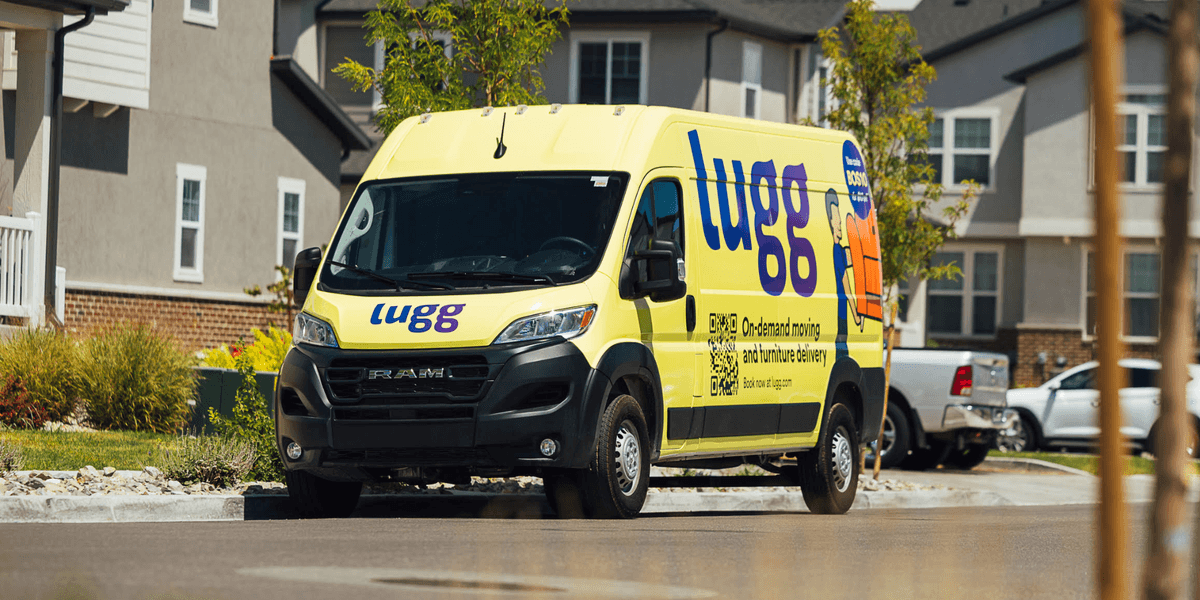
This is where booking same-day movers comes in handy. With Lugg, you book movers and a truck on demand — we show up in as little as 30 minutes, load your furniture, and you watch the truck on a live map the whole way to the unit. Because you can add up to five stops on a single booking, one trip can swing by your place, hit a donation center for the things you're not keeping, and finish at the storage facility.
When your sublet ends, book it in reverse. Moving a heavy load of furniture out of a storage unit and back up to your apartment is the same job in the other direction.
Your apartment will be waiting when you get back
Subletting well comes down to one honest question asked item by item: would I be okay if a stranger used this, or do I want it somewhere safe until I'm home? Store what you can't replace, leave what's easy to, get your landlord's sign-off in writing, and pick the cheapest storage that fits your timeline. Do that, and a few months away costs you far less than you'd think — and you come back to an apartment that still feels like yours.
Holly Benjamin
Holly leads marketing at Lugg and is passionate about making the utilitarian task of moving into something people actually rave about.
Subscribe to the Lugg blog
Get the latest moving tips, guides, and Lugg news delivered to your inbox.
Read more about Lugg pickups
Back-to-School Storage: A University Partnership Playbook for Storage Operators

Storage facility move-in services: closing the move-in conversion gap
Where to store your dorm stuff over the summer (and how to actually get it there)
Lugg vs Dolly vs Taskrabbit: which should you use?